
It’s more than just satisfying your dog’s cravings however, it’s also about providing nutrition and comfort. You want to make sure that your dog’s meals are pleasant and nutritious. This is where slow-feeder bowls for dogs come into play and provide a healthy approach to mealtime that is fun and beneficial to your pet’s health.
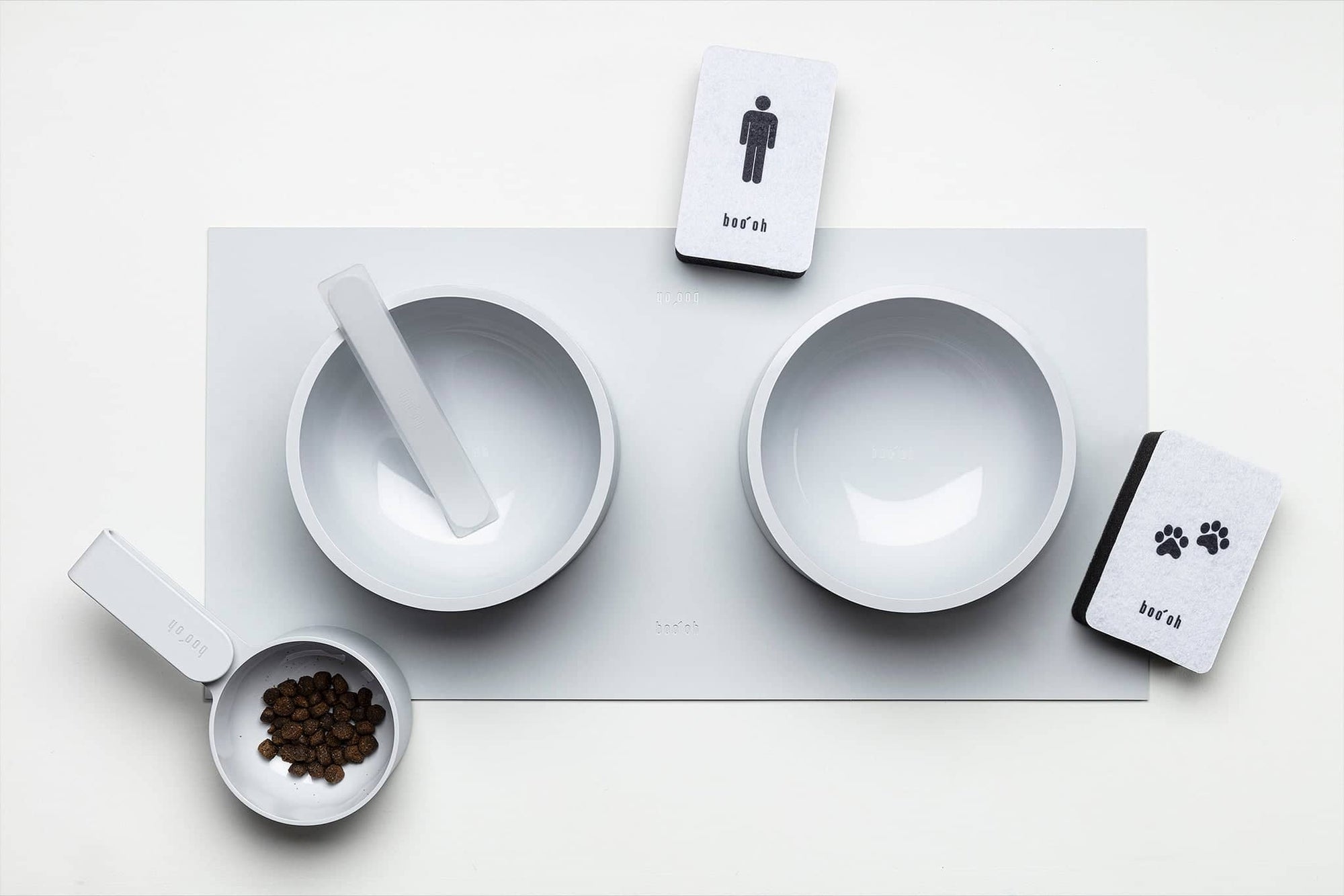
Understanding Slow Feeder Dog Bowls
Slow feeder bowls were developed to slow your dog when eating. The unique design of this bowl includes mazes or obstacles that force your dog to work harder to get their food. They are made so that they prevent your pet from eating too fast.
Slow Feeder Dog Bowls: Benefits and Uses
Slow feeder bowls keep your dog’s food from getting consumed too fast. Rapid eating can cause digestion issues and excess eating which can pose a risk for all breeds of dogs, but especially large ones.
It stimulates the mind : The mazes, patterns and mazes in the bowl are sure to stimulate your dog’s brain, providing the dog a challenging and enjoyable experience at time of meal. This stimulation for the mind can to reduce boredom and stress and improve overall wellbeing.
Helps with digestion: Eating slow helps digestion, as it allows food to be chewed properly. This helps improve intake of nutrition and lessens the chance of being choked.
Weight Management: Slower feeding bowls, through slowing the dog’s appetite and stimulating fullness in your pet will help you control your weight. This is because they prevent the overeating.
Reduces Bloat: Rapid eating may lead to the gulping of air, which could cause gastric discomfort or bloating. Slower bowls for food reduce the risk of this by encouraging a slower eating, and more moderate consumption.
Picking the Best Slow Feeder for Dog Bowls
When selecting a slow feeder dog bowl, consider your dog’s size, eating habits, and specific needs. Smaller dogs should pick bowls that have shallower mazes and ridges so they can easily access their food. Larger dogs might appreciate mazes that are deeper and are a bit more a challenge.
Consider the material. Slow feeder dog bowls made from stainless steel or ceramic are clean and are durable, meaning that your pet will be able to enjoy food that is safe and clean.
Slow Feeder Dog Bowl: How to Introduce Your Dog
The transition to a slower food bowl for your dog may require patience and some time. These steps will help your dog adjust:
Familiarization Start by placing the dog’s favorite treats in the bowl. Let them explore the bowl looking for the food.
Gradual transition: To make sure your dog is comfortable with the new routine, begin by mixing regular food of your dog with the slow-feeder bowl. Gradually increase the amount food served in the bowl that is slow to feed over a few days.
Positive Reinforcement: When your dog succeeds in navigating the slow food bowl, reward them with praise and treats.
Be aware of your progress: Keep an eye on your dog’s health as well as his progress. Consider changing the difficulty of the bowl, or reversing the transition in case your dog seems upset or stressed.
Incorporating Slow Feeder Dog Bowls with Slow Feeders into your routine
The slow feeder bowl should be a regular part of your dog’s routine once they are used to it. It is possible to monitor the way they eat to determine how it affects their digestion.
In Conclusion
The time for meals is an important element of the daytime routine for your dog. It is important to equip them with tools and a space that will enable them to enjoy healthy and delicious meals. Slow feeder bowls are an engaging and practical way to enhance your dog’s eating habits and help prevent eating too much. They also encourage mental stimulation.
A bowl that is slow to feed your dog is a fantastic investment in your dog’s health and happiness. Slow feeder dog bowls are a great investment for your dog’s health and wellbeing. Choose the most appropriate one, then introduce it slowly. Slow down and enjoy the moment. A slow feeder bowl will improve your dog’s eating routine.