
The Budgerigar Council of South Australia has developed a manual for pet Budgies. They’re also known as parakeets or budgerigars. These chirpy, tiny birds have a surprising space in the hearts of pet owners all over the world. The budgie is a small bird that has gained a reputation for being lovable, smart and sociable. It’s just a bit behind the popular cat and dog.
It is essential to understand their temperament and requirements before you welcome them into your home. This guide will provide you with the essential information needed to lead a happily and in good health for both you and your pet.
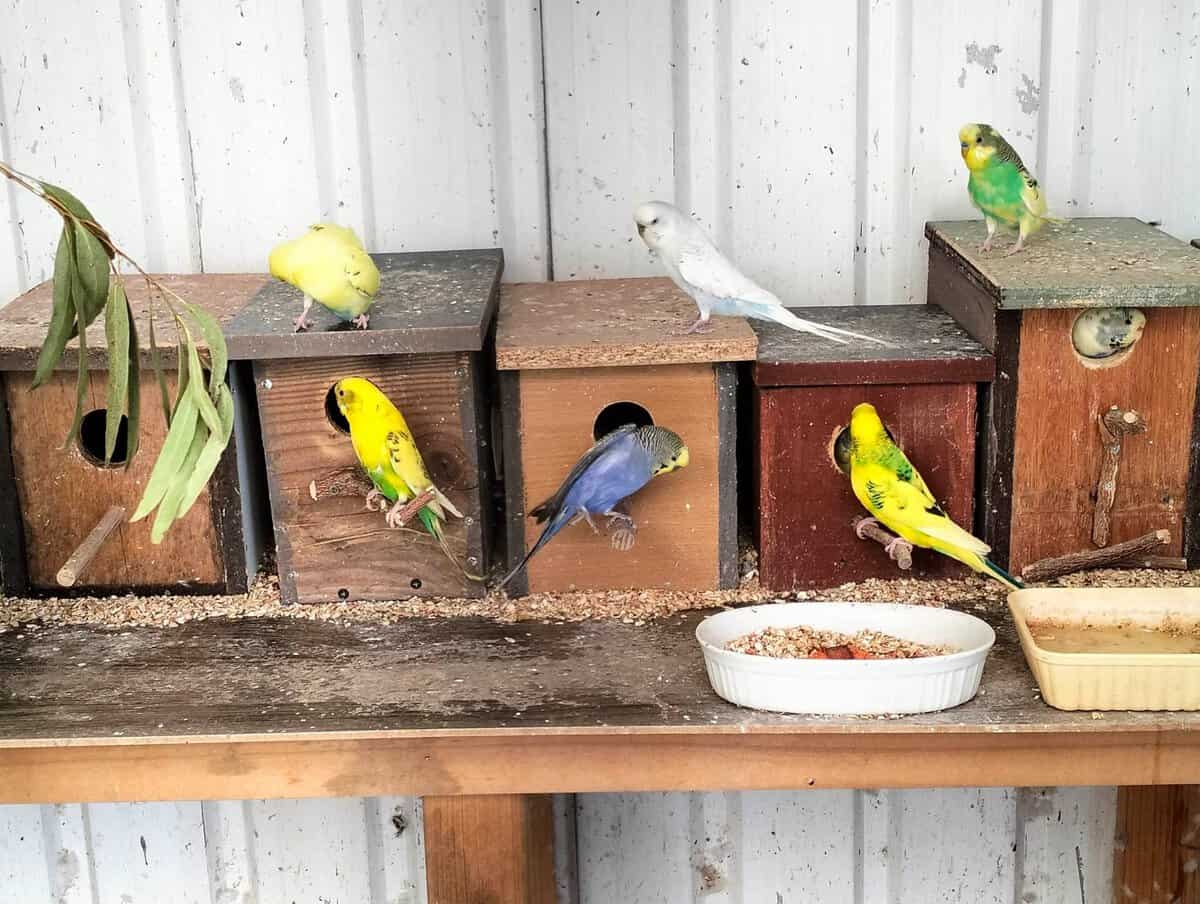
Social butterfly in the form of a tiny body
Budgies are social animals who thrive in social interaction. In nature, they are in large groups, constantly talking and chirping with each other. While a single budgie can bond strongly with its human, particularly if given plenty of attention it is best to have a feathered companion. If you’re unable to have two birds, make sure you spend an extensive amount of time interacting with your solo budgie in order to avoid loneliness.
Chatterboxes with an Flair to imitate
The ability of pets to imitate sounds makes them extremely charming. If they are trained and patient they will be able to mimic sounds and speak phrases. They’ll bring a new dimension of excitement to their whistles and chirps. The development of their vocabulary can vary dramatically, with certain animals becoming chatterboxes in the real sense, while others are content with simple whistles. However well-spoken they are, their voice can bring a huge smile to anyone’s face.
Rainbow on Wings
Budgies are available in a broad variety of shades. They can be as classic as light blue, yellow, or green tones, or more vibrant hues of white, violet, and green. Breeders have developed countless mutations through the years, and there’s a chance to find a feathered friend which is in line with your personal style. These variations in color aren’t only for aesthetic reasons. They can also signify the gender or age of a bird, which makes them an interesting discussion starter in pet stores.
How to live large in a tiny space
While budgies are small birds but they still require plenty of space to fly, climb, and explore. The minimum cage size is 20 inches long 12 inches in depth, and 18 inch high. However, bigger is better! Offer perches with different levels and textures to keep your pet engaged and rotating their toys often to prevent boredom. The cage should not be placed directly in sunlight.
A Budgie-Approved diet
A healthy budgie bird diet comprises mainly of a high-quality pelleted food formulated for small parrots. It provides them with all the nutrients they require to flourish. Add fresh fruits and veggies to their pellets, such as carrots, apples, leafy greens and leaves (remove the seeds). Cuttlebone keeps their beaks trim and provide essential minerals. Always ensure that they are able to access fresh, clean water.
Building a bond with your bird friend
It takes a lot of patience and gentle touches. Begin by slowly walking towards the cage while talking gently to your bird. Offer treats like millet in the cage bars to build confidence. When your pet is happy with you then you can enter the cage to let him perch on your fingers. Be patient, but not forceful. The process can take weeks or even days.
A commitment to life
In accordance with how they are treated, budgies may be able to live between 10 and 12 years. Be aware of your habits and commitment to the long term before you bring one into your home. Can you provide them with every day interaction as well as a clean atmosphere that is stimulating and clean? If yes, then a budgie can be a rewarding and enriching companion and fill your day with playful chirps and, perhaps, the occasional human word (or two). Click here for Budgie Bird
The Budgerigar Council of South Australia is a proponent of responsible pet ownership. Do not be afraid to ask an avian veterinary expert to provide advice on how to care for your pet If you’re not sure.