
Blockchain technology is revolutionizing method of handling digital transactions, but it can feel overwhelming at times. Make sure you keep track of your transactions, no matter if you’re an NFT enthusiast or DeFi investor. Flow, which is among the most efficient and flexible blockchains, has the most powerful tools for this. This guide is designed for anyone who has wondered how to look up their transaction history using Flow Explorer or read Flow Block Data using Flowscan.
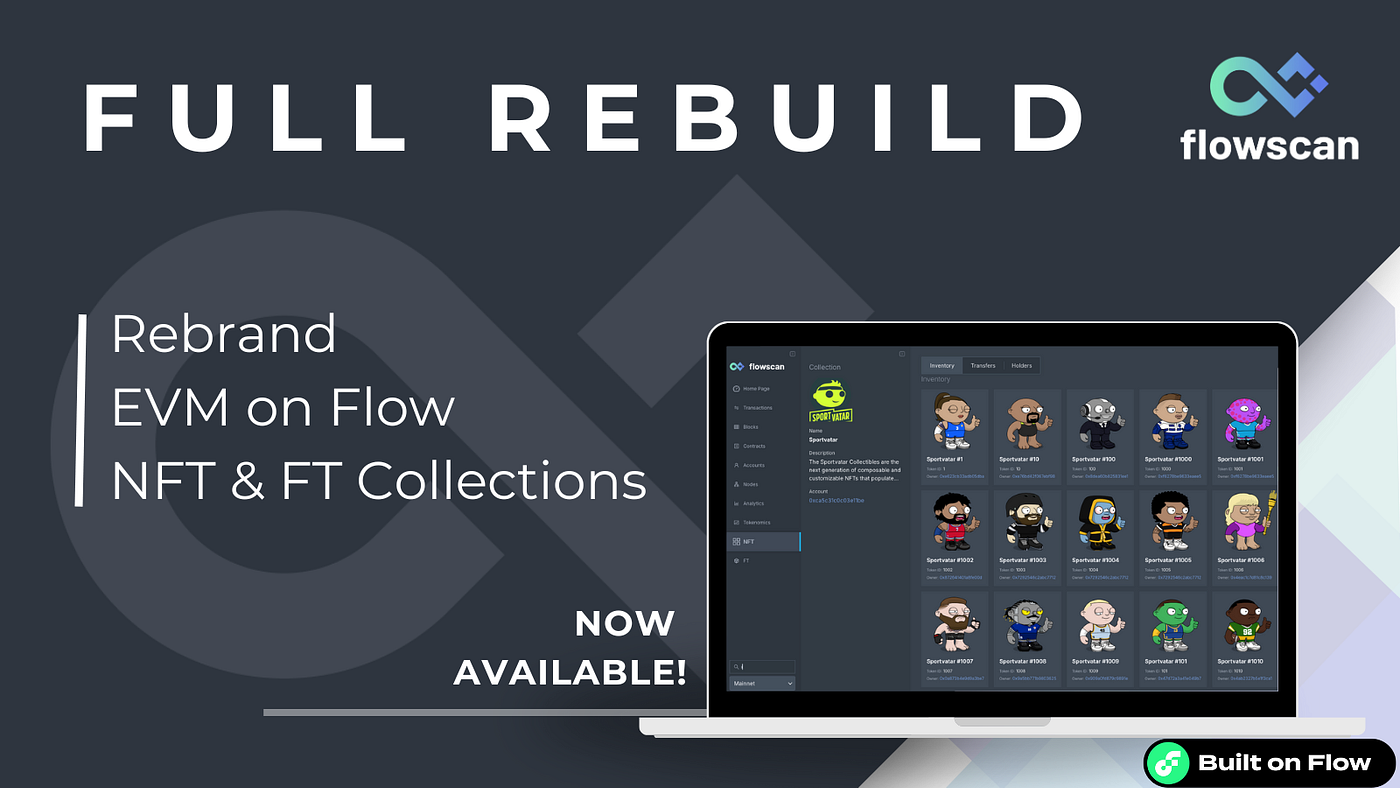
Image credit: flowscan.io
How do you use Flow Explorer efficiently for tracking your flow transactions
Checking transaction history on Flow explorer Checking transaction history on Flow explorer. The blockchain tracks each transaction you make whether it’s a transaction, a receipt, or an interaction with an asset that is based on Flow. Unlike traditional banking that rely on intermediaries the immutable and transparent ledger of Flow allows you to verify each transaction in real time.
You can view your transaction history in Flow Explorer by entering your wallet address or transaction ID (TXID). Simply entering this number into Flow Explorer’s search bar will grant you access to data such as:
The transaction’s status is either successful, pending or unsuccessful.
The wallet address of the person who is involved in the transaction.
Refer to the block number and timestamp.
Gas used for processing.
This is particularly useful when you’re waiting for an exchange, attempting to resolve a failed transaction or keeping a record of what you’ve done. It offers complete visibility into your digital assets, making sure that no data is lost in the blockchain void.
How do you decode Flow Blockchain data with Flowscan
Reading Flow block data on Flowscan. Flowscan gives a comprehensive review of Flow blockchain activities. Contrary to Flow Explorer, which focuses on specific transactions, Flowscan allows you to look at entire blocks and provide an insight into how the network operates.
Blocks are the storage device used to store each transaction within Flow. They are batches that verify multiple actions simultaneously. If you search for a hash block number on Flowscan will let you view:
The total number of transactions which make up the block.
The amount of time needed to complete the block.
The wallet addresses, and smart contracts, which are involved.
A historical log of network activity that helps developers and users identify patterns.
It might be a bit complex for ordinary users. However, it’s a powerful tool to verify transactions and to determine how the Flow Network prioritizes activities. It doesn’t matter if you’re looking for NFT minting token swaps, token exchanges, or contract interactions, Flowscan ensures that every step is properly recorded.
Exploring Flow EVM Scans for Smart Contract and Cross-Chain Tracking
As Flow grows, its compatibility with Ethereum applications is increasing. The Flow EVM Scan is a solution. Etherscan is a tool that allows users to monitor smart contract, DeFi interactions and token transactions in the Flow EVM environment.
By entering a wallet’s address or contract address into Flow EVM Scan, you are able to:
Verify the condition of the asset wrapped and cross-chain transfer.
Check DeFi stakes rewards and tokens.
Make sure that the smart contract transaction is executed correctly.
This tool lets developers easily deploy and monitor blockchain-related apps in both the ecosystems.
The Final Thoughts on why Monitoring Flow Transactions is Critical
Blockchain is all about security and transparency but it’s only effective when you are able to use the right tools. Understanding how to read block data in Flowscan and Flow EVM scan and then verify transactions using Flow Explorer will give you complete control over your digital asset.
These tools can in making blockchain transactions quicker, easier, and more secure. So next time you send transactions through Flow do not just rely on the system, but verify it yourself.