
Hydraulic hoisting systems are an integral component of civil engineering projects , as well as other construction actions. It is crucial to know the difference between hydraulic walls and other shoring systems as the need for them rises. The latest advances with these products offer many advantages that are far superior to the benefits offered by conventional models. Modern hydraulic shoring technology can improve the strength and safety of your project to make your work more successful and assuring that your employees are safe.
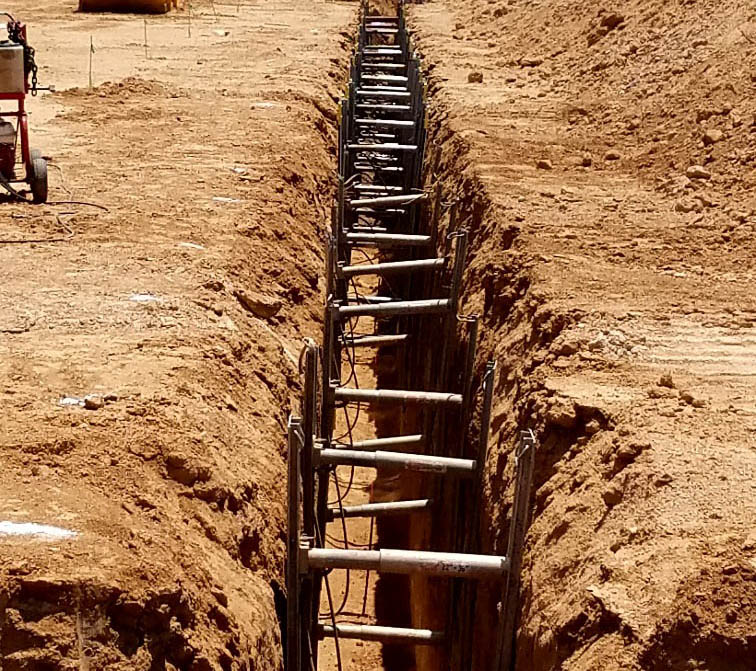
Aluminum hydraulic shoring systems are used for more than forty years due to their affordability and effectiveness when it comes to protecting trench workers. In contrast to traditional trench boxes which can’t always prevent collapse, these systems focus on reducing the walls of trenches to ensure increased stability. Shoring equipment that is lightweight makes it simpler and cheaper than trench boxes. Aluminum hydraulic shoring can be a good option for any location. It gives workers assurance and security without breaking the bank.
Hydraulic systems are essential to creating and maintaining large structures. They utilize pressurized fluids, like oil or water to transfer objects from one port to another that is perfect for projects that require precise force. This kind of system typically composed of a pump powered by an electric motor, a storage reservoir to store the source of the fluid and valves to control the flow of the fluid, and different pipes that transport it throughout the system. By controlling the pressure levels within these parts, engineers are able to efficiently create powerful outputs, and keep safety a paramount concern. This makes hydraulic systems extremely useful in providing shoring support to large building projects.
A hydraulic shoring solution can be a good option for those working around underground utilities. The hydraulic shoring system gives both horizontal and vertical support and allows for adjustment in excavation. Hydraulic shoring allows workers to work in tight places such as trenches more easily and with greater certainty. Once the correct positioning of the shoring component is done the teams can cut down their time spent working by not needing to worry about other stabilization techniques like nailing panels together or plumbing column packs. This can result in great success with your projects due to making it simple to rotate each piece.
Hydraulic Shoring systems are an extremely useful equipment for contractors who are tasked with different excavation projects. These systems can withstand extreme weather conditions like flooding and remain safe. Hydraulically driven shoring can be easily adjusted, so it’s easy to adjust for specific tasks. They are also often cheaper than other alternatives as they don’t require additional labor or components. Hydraulic shoring options provide complete protection for cave-ins as well as face as well as maximizing the floor’s level. This makes them the best choice for a variety of work in structural construction. There are many benefits of employing hydraulic shoring systems. They’re efficient, flexible and are suitable for numerous applications. Hydraulic Shoring is the best option if you’re searching for reliable shoring.
For more information, click Hydraulic Vertical Shores