
Medical professionals should be up-to date with HIPAA regulations for compliance. The law was put implemented to ensure the security of health information, which means that all medical personnel must be aware and be aware of these rules. Staying compliant to HIPAA rules can be a challenge in the current information age. There are plenty of ways to ensure that your practice remains compliant and secure. With a thorough understanding of how to stay in HIPAA compliance, such as a consistent evaluation of security systems used to manage patient data and clear protocols for communication when handling sensitive information There are the tools required to safeguard confidential health data. The importance of adhering to these regulations is to ensure that personal information of patients is safe from breaches in security and distrust. Implementing HIPAA security measures is a crucial step to developing a medical office that is successful.
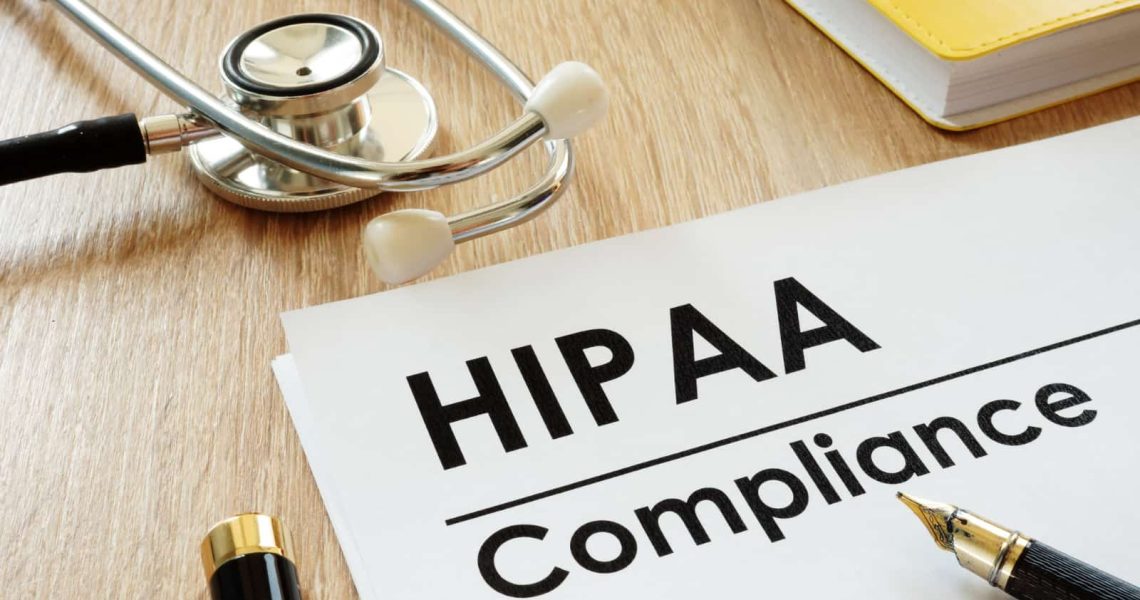
Anyone who handles sensitive patient data must be well-versed in HIPAA Compliance. HIPAA regulations mandate that all organizations that deal with Protected Health Information, (PHI), must understand and comply with the rules. Failure to comply can lead to hefty fines or even jeopardizing the confidentiality of patient data. If a breach were to be discovered, it’s crucial to be aware of correct steps needed to respond quickly. It is essential to keep current with the ever-growing number of data breaches and cyber attacks. By having a comprehensive knowledge of HIPAA compliance measures and procedures, healthcare providers can ensure their patient’s data is safe while avoiding costly penalties or fines.
HIPAA compliance can provide employees peace of mind by ensuring that sensitive health information is handled in accordance with the highest standards of privacy protection for patients. Employers can create a HIPAA compliance plan that addresses all aspects of employee data security. This provides employees with assurance that their private data is not being misused or divulged in an unnecessary manner. This trust builds between employee and employer, giving them an impression that they’re taking responsibility for protecting the privacy of each other as well as the mutual goals. HIPAA compliance helps businesses create safe, secure workplaces so employees feel confident their medical records are secure from misuse by unauthorised users.
HIPAA compliance is a crucial aspect of all healthcare systems and it is vital to know when to declare a HIPAA violation. It is vital to understand the legal obligations, which includes the necessity that healthcare providers maintain patient privacy secure and confidential information secure. Anyone who has access to PHI must immediately report any breach that is suspected. There may be civil and criminal penalties for a inattention to a violation. If they feel their rights and/or their PHI are being violated, the patient can complain to the Department of Health and Human Services Office for Civil Rights. It is crucial to inform employees of HIPAA compliance and offer in-depth training on HIPAA guidelines. This will decrease the incidence of noncompliance.
Employees are able to benefit from HIPAA compliance in several ways. Employees will be able feel confident that the employer has taken all necessary measures to protect them. Conforming to HIPAA also provides the security of communication between employers and employees because they are able to be sure that all health-related communications are done within a secure environment. Employers and employees can have more trust and satisfaction, that leads to more retention rates and greater job satisfaction. Following HIPAA standards ensures employees that the company takes care of its staff both personally and professionally and can go a long way to creating a collaborative, successful workplace.
For more information, click which of the following is required by hipaa standards