
When it comes to fluid control systems that are intricate, the coordination of solenoid vales as well as the actuated ball valves is essential. These components, which are often unnoticed heroes in various industrial processes, combine to form a dynamic pair that allows precise and automated control of the flow of fluid. Let’s look into the world of solenoid valves as well as ball valves that are controlled by actuators, and explore their functions, applications and the symbiotic relation that drives fluid management.
Solenoid valves are the electrically operated gatekeepers of fluid flow, hold the key to a seamless control for a multitude of different applications. These valves are instrumental in directing air-actuated ball valves as well as butterfly valves, providing a level of precision and efficiency to control of fluid systems. Solenoids are valves that can respond to electrical impulses. They act as the orchestrators and control which fluid paths should be opened or closed.
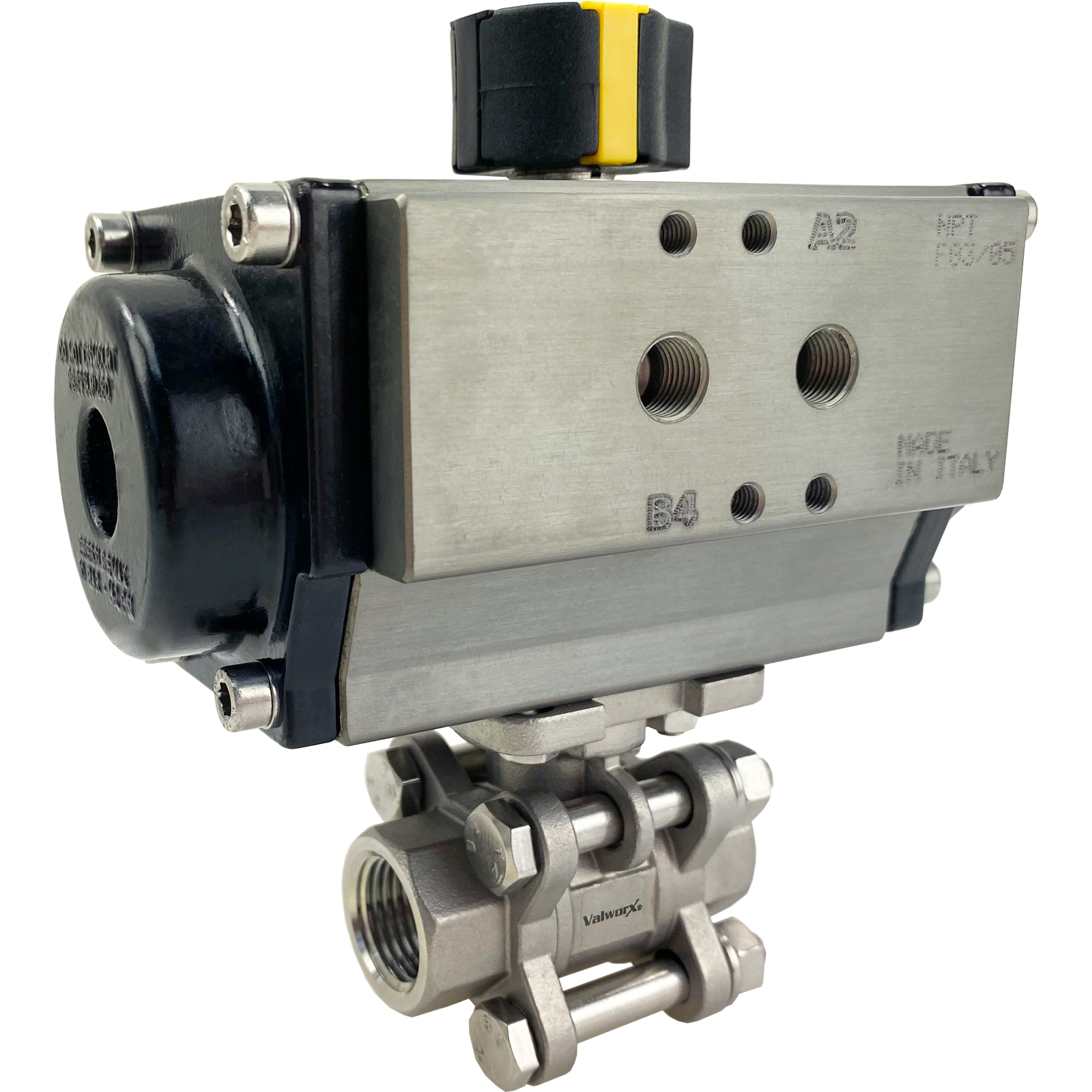
One of the most distinctive characteristics of solenoid valves is their compatibility with spring return as well as double-acting air actuators. They can be adapted to a range of operational needs due to their flexibility. This integration is further refined through the international standard NAMUR mounting pad that allows directly connecting to the air actuator.
Actuated Ball Valves Controlling Automated Fluid Positioning
The ball valves with actuators, in contrast allows automation to the movement of valves. These valves can be powered by pneumatic or electric actuators, and then automatically rotate to the position you want. This allows non-hands-free control of the fluid. The combination of solenoid valves with activated valves can create an system that combines mechanical precision and electrical precision.
The actuated ball vale is the best option for tasks that require accuracy and dependability. The precision of the actuated ball valve in regulating fluid flow makes it an ideal choice for tasks which require on/off control or changing control. The ball vales that are actuated can be used to regulate the flow of air, water and oil along with other compatible fluids.
Solenoid Symphony in Air Actuated Ball Valve Precision
The partnership between solenoid valves, and air actuated ball valves can be described as an orchestra, in which each component plays an essential role in the achievement of harmonious fluid control. Solenoid valves, responding to electrical signals and synced to the flow of liquid are the conductors. This electrical command directs the valve that is actuated by air to perform a mechanical dance that is precisely controlled to regulate flow.
The part that makes this symphony remarkable is the integration through the NAMUR mounting pad. This connection standard simplifies assembly and provides a reliable and secure linkage between air actuators and solenoid valves. It’s a seamless integration that converts electrical signals into physical motion, allowing for an amount of precision that meets the stringent requirements for industrial use.
Navigating Modulation The Dynamic World Of Ball Valve Control
They are recognized for their versatility, no matter if they are actuated valves or not. They are crucial in a variety of industries because they can modulate air, water or oil flow. The versatility of these ball valves is increased through the use of sophisticated solenoid-powered valves.
In applications where the demand for flow is different and control is required to adjust, it becomes vital. These situations are best served by actuated, ball valves that are guided with precision via solenoids. If it’s about adjusting the rate of flow of cooling water process or changing the release of air in a pneumatic process the dynamic realm of ball valve control guarantees that the fluid is responsive to the needs of the operating.
The availability of a diverse selection of ball valves is essential to ensure best performance and endurance. Industries need solutions that do not just meet their immediate requirements but will also stand the test time in a variety of operating environments. There are a variety of ball valves on the market, all of them provide high-quality performance and durability.
Whether it’s a requirement for a compact, manually operated ball valve or a sophisticated, electrically actuated ball valve, the options are vast. During the selection process it is important to consider factors like the fluid type, operating pressure and temperature, as well as the specific requirements of the application are taken into consideration. The comprehensive range of fluids available ensures that every industry will find solutions to satisfy their specific needs.
Conclusion The Precision Dance of Solenoid Valves, Actuated ball Valves
In the complicated fluid control industry, precision is essential and the relationship between solenoid valves and actuated ball valves illustrates this in a manner that is refined. The electrical control of solenoid valves and ball valves seamlessly integrates to regulate the flow of fluid with unimaginable precision.
The symphony is a symphony within the realm of fluid control. From NAMUR mounting plates which provide the security of a secure connection to ball valves that automatically turn when solenoid signals arrive, each component plays a critical part. When industries are looking for security, efficiency, and adaptability in their fluid management systems the dynamic duo of solenoid valves and ball valves actuated by solenoid signals is a cornerstone, unlocking many possibilities in the field of precise fluid control.