
For years, people often were thinking of the body contouring process in terms of removal of fat to make a area appear smaller. The modern cosmetic surgery is far more complicated. The surgeons are now able to evaluate proportions, fat distribution, skin quality, existing anatomy as well as the patient’s ideal shape prior to recommending a procedure.
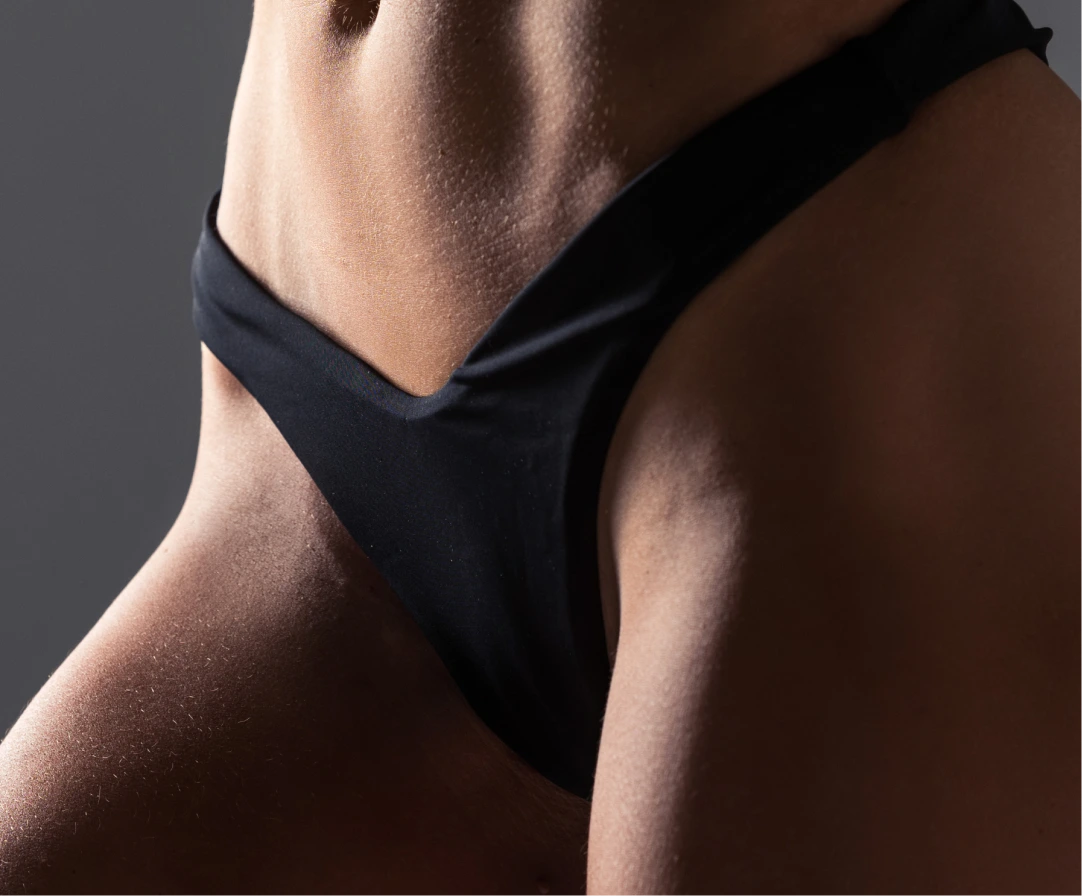
Image credit: prmsurgeons.com
PRM Cosmetic Surgery can customize procedures based on these elements. Options range from liposuction fat transfer to technologies intended to treat skin laxity offering surgeons many ways to treat body contouring instead of relying solely on a single technique.
Proper Liposuction starts by determining the appropriate amount
Individuals looking for the ideal treatment for liposuction will usually be focused on the amount of fat that can be removed. It is essential to inquire about how the removal of fat will impact the overall appearance of your body.
Removing fat from the abdomen, for example, can change the way in which the waist is positioned to hips. The flanks may help clarify this transition. Precision is important because weight reduction does not always mean better. The aim is to create smoother contours that stay in harmony with the person’s body.
PRM offers advanced techniques, including tumescent numbing liposuction. The procedure is custom-made to the specific area being treated and the goals of the patient.
The quality of skin is important.
The skin and fat have different reactions. Liposuction is a method to reduce localized fat deposits. However, eliminating fat does not mean that the skin that covers it will shrink exactly as desired.
Therefore, tightening the skin can be an important part of the conversation. How the skin reacts to contouring may be affected by genetics age and weight loss, pregnancy or existing elasticity.
Technologies such as renuvion J-plasma may be considered when a treatment plan includes concerns about tissue laxity. Surgeons shouldn’t consider tightening just as a last-minute option, but rather evaluate the skin’s characteristics prior to deciding on an initial strategy to contour the body.
Where Quantum RF fits into the Conversation
Radiofrequency-based technology has expanded the possibilities of aesthetic medical treatments. Quantum RF is an alternative method that can be discussed when dealing with body contour or concerns about tightening of tissues.
However, technology is not the only component of treatment. The most sophisticated devices can’t substitute for the anatomical understanding or judgment of a surgeon or the careful selection of a patient. Patients must be aware of the reasons what the purpose of a particular technology and why it is suggested. They should also understand what the device is meant to accomplish and the limitations that can be applied to their situation.
Brazilian Buttlifts Have the Potential to Change More than just the buttocks.
A Brazilian butt lift is an excellent illustration of how modern contouring involves relationships between different areas of the body. The procedure utilizes a patient’s own fat, which is removed from certain donor areas and transferred into the buttocks.
Therefore, the final visual appearance results from two different factors by reshaping the areas where fat is removed, and enhancing volume where needed. The way the silhouette appears will be influenced by the waistline, abdomen, flanks and hips.
The importance of individualized planning is greater Than A Trend
It is not advisable to choose cosmetic procedures simply because a technique or technology is popular. Two individuals who desire a smaller waist could have different expectations, in terms of skin elasticity, fat distribution and weight.
PRM Cosmetic surgery emphasizes the individual approach and offers various body contouring options tailored to the specific needs of each patient. A thorough consultation is an opportunity to discuss the anatomy, surgical options as well as expected recovery times, risks, and realistic outcomes before deciding whether surgery or another cosmetic procedure is appropriate.