
Certain aspects of owning a home are hidden away until they require attention. The septic tank is one very important, but often neglected element of a home. We often ignore it, thinking it will perform its duties without any concern or maintenance. Septic tanks, as with all system, have a limit to their lifespan and must be replaced eventually.
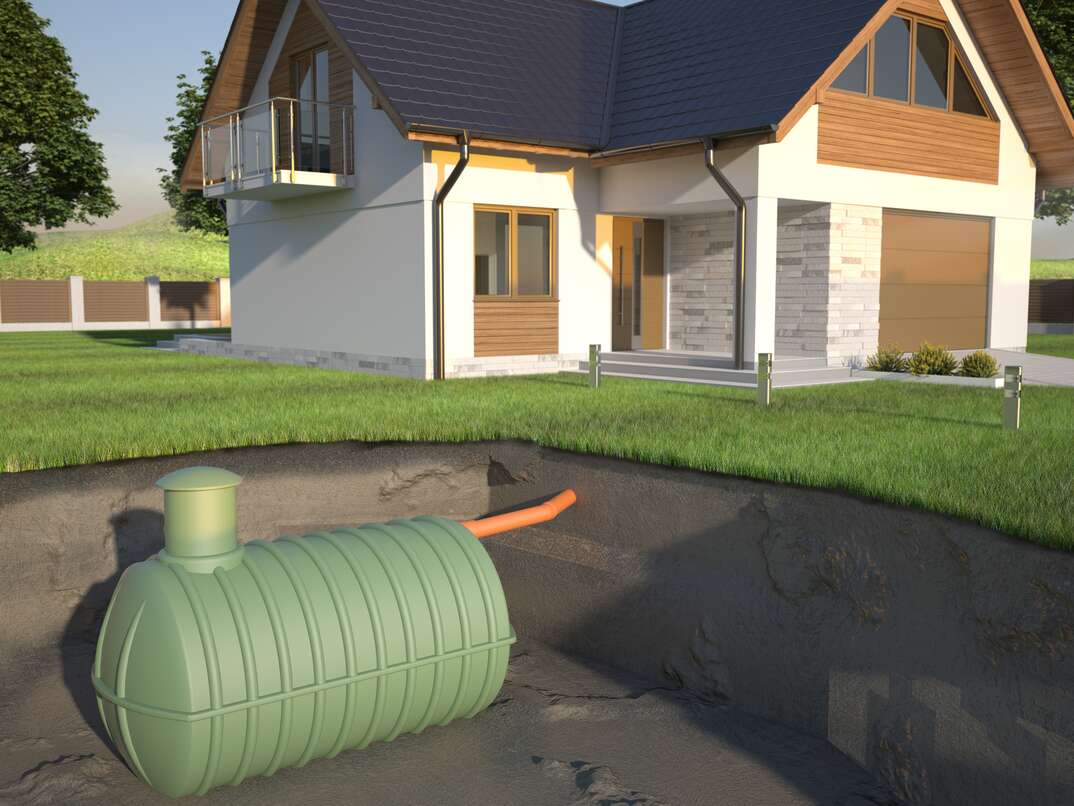
The cost to replace the septic tank is a major financial burden on homeowners who are not prepared. There are many factors that contribute to the overall cost, making it vital to comprehend what goes into budgeting for a new septic system.
In order to determine the cost of a tank replacement, you need to consider more than just the price. It is not simply a matter of replacing the tank with a new one. More than that, a variety of elements and services are a part of the overall expense. From obtaining permits to employing professionals to installation and excavation, each phase has costs that homeowners must be aware of in order to manage their finances effectively.
One of the primary considerations is the septic tank replacement cost itself, including the cost to install septic tank and leach field. The price of a new tank may vary greatly based on the size and material of the tank as well as the complexity of installation. The price will also depend on the geographical location of the property local laws, as well as the soil conditions. Consult with septic systems experts who will assess your requirements and provide an accurate estimate. They will take into account aspects like the size and shape of the leach field to ensure an accurate understanding of the total expense in the replacement of your septic systems project.
Apart from the tank the other major expense is the leach field, also known as a drainfield. This component is essential for wastewater treatment and distribution. It is crucial to plan carefully when replacing a damaged or defective leachfield, or one that has failed. This can be a major factor in the cost of replacing a septic system. Factors such as the size of the leach field, soil composition and accessibility all affect the cost of replacement, making it crucial to take these aspects into consideration when formulating the cost total.
The costs of a new septic system is not just tangible, they are also intangible. You may have to leave your home for a time or cut down on your consumption of water during the installation. The inconveniences you face should be considered into your planning as they can affect your routine and potentially cause additional expenses, such as accommodation expenses or changes to your daily routine.
Additionally, it’s important to be aware that regular maintenance and upkeep of your septic system are crucial for extending its life and limit the possibility of premature replacement. Neglecting maintenance tasks may lead to bigger problems in the future, including damages to the drainfield or failing the tank. Incorporating septic system maintenance costs in your budget is an intelligent decision that will save money in the long run.
If you’re reading this, you might be aware that determining the total cost of septic tank replacement is not a straightforward task. It requires careful consideration of many factors including the size and shape of tank, to the complexity of the installation or the condition and state of the leachfield. Moreover, the location of your property as well as local laws can affect the total cost. To calculate accurately the price, it’s essential to talk with experts that are skilled in the replacement of septic systems.
If you’re looking to replace your septic system, you may be pleasantly surprised to learn that there are hidden expenses that you may not have imagined. It’s essential to understand these hidden costs before making the decision.
The hidden costs of septic system replacement include:
The costs of inspections and permits. Your local government will require permits before beginning your project to upgrade your Septic systems. These permits may be costly and you may have to pay extra for inspections.
The cost of excavation as well as removal. Before the new system can installed, it will be required to take down and excavate the existing system. It’s a costly procedure, especially if the system is located in an extremely difficult to access area.
The cost of backfilling and grading. After the old system is removed, the hole has to be refilled and graded. It is crucial that the new drainage system is properly drained.
Costs of landscaping. You might need to plant a garden in the area following the installation of the new system to maintain it in a neat and tidy manner. It’s a lot of work particularly if you have to contract a landscaper.
It’s essential to account for these hidden costs when planning your septic system replacement. In this way you’ll stay clear of any unexpected costs further down the line.
The decision to invest in environmentally friendly septic solutions is a good option for homeowners with a limited budget. The eco-friendly solutions for septic aren’t just cost-effective alternatives to conventional systems, but also conserve the environment through reducing water runoff and pollution. The eco-friendly septic system is becoming more affordable and available and are an ideal choice for those looking to reduce the impact on the environment of their house without breaking the bank. Making the switch to a greener system could mean some initial cost, but these can be easily offset by the benefits in the long run. This isn’t a trend it’s a change in lifestyle anyone who are serious about protecting our planet for future generations. If you have the right plan in place, you’ll be able to have peace of mind knowing that you’re contributing for the entire world community and also ensuring that your property can function effectively and efficiently with minimal maintenance and lower monthly expenses.