
In the present era of massive data, companies from every sector rely heavily on machine learning and artificial intelligence for gaining valuable insights. Image annotation, an essential technique in computer vision, aids in understand visual data. In this article, we will explore the various aspects of image analysis, and look at the significance of tools, software, and solutions that enable data-driven decision making.
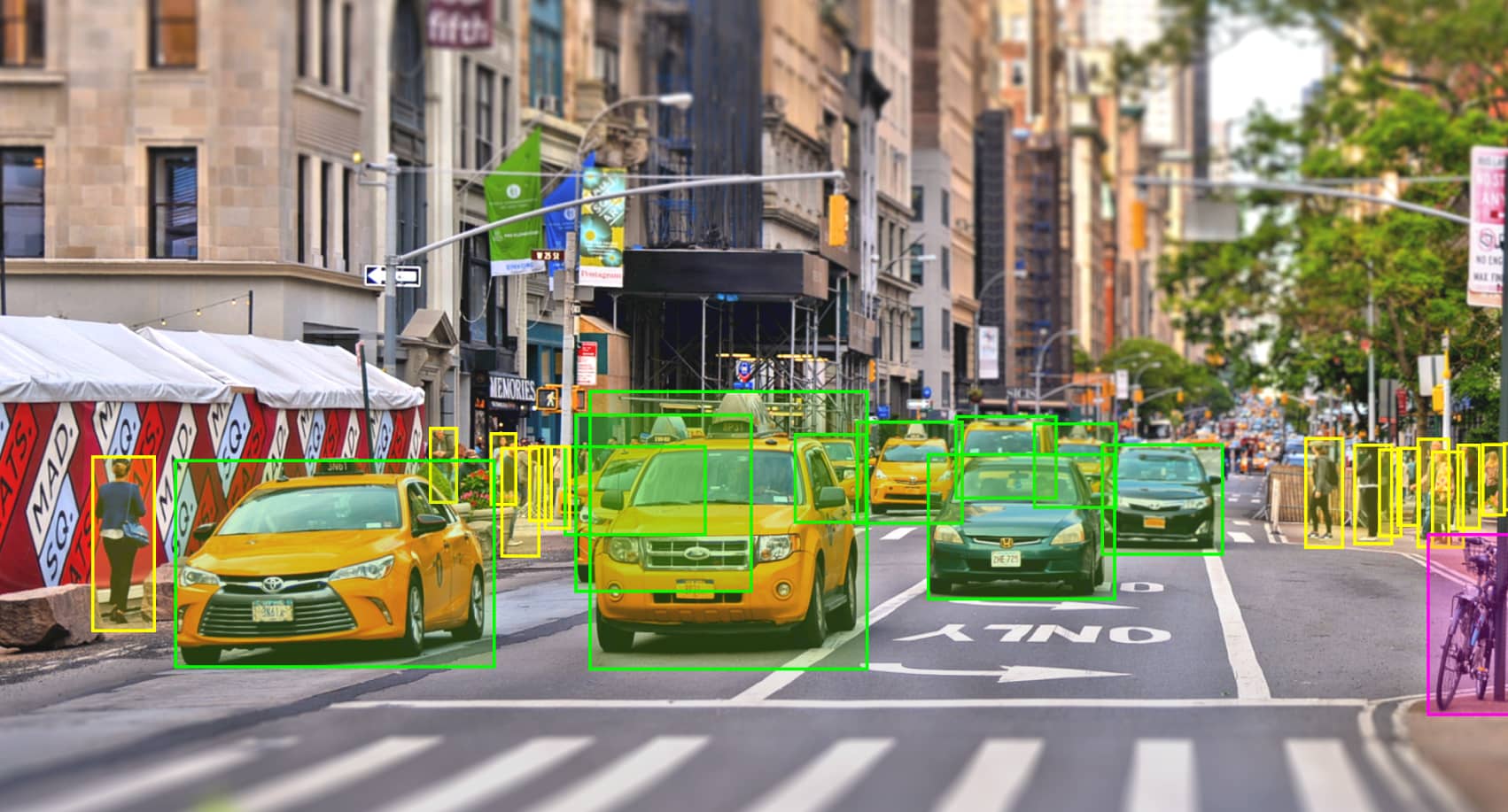
Image annotation is the process which involves labeling or tagging images by using metadata. This aids computers in understanding and interpret visual information in a precise manner. Through the addition of annotations like bounding boxes, polygons, keypoints, or semantic segmentation, image annotation allows models in ML to detect patterns, objects, as well as attributes contained in images. This bridges the gap between raw images and a measurable insight, opening the way for a myriad of applications like autonomous vehicles, medical imaging, ecommerce and even surveillance.
An array of tools has been designed to make it easier for annotation of images. These tools offer intuitive interfaces to allow annotators mark objects or areas that are of interest in images without difficulties. These tools come with a variety options, as well as customizable features that can be tailored to meet specific data requirements. Image annotation tools provide an array of tools from basic drawing tools to automated suggestions and advanced shape recognition. They enhance the accuracy and efficiency of the annotation process and allow annotators to perform their work efficiently and quickly.
Image annotation tools takes the annotation process to the next level by incorporating automation and collaboration features. These applications make use of ML algorithms for automation which reduces manual labor and making annotation faster. Annotation software can help speed up the labeling process by employing techniques such as active learning and transfer learning.
Annotation software also allows collaboration between multiple annotators. This lets teams collaborate seamlessly. It enables real-time communication, annotation versioning and comments and also creates the environment for collaboration. This collaborative approach not only improves annotation quality but also encourages knowledge sharing and ensures uniformity across annotations.
When choosing an image annotation program, there are a variety of factors to take into consideration. It must first be compatible with the specific requirements of the particular project. These include the different types of annotation (e.g. keypoints and polygons) along with the complexity of labeling task, and the possibility of scaling.
Second, the flexibility of the system is essential. An effective annotation system must be able to customise annotation workflows and integrate with existing data management software. It must also be compatible with multiple formats for data. This flexibility allows the annotation system to seamlessly integrate into existing workflows and pipelines to increase productivity overall.
The quality of annotations generated by the solution is another aspect that needs to be evaluated. Annotation solutions that are reliable employ quality control techniques to ensure an accurate and consistent labeling. These methods can include annotator validation and feedback loops that run continuously between annotators.
The value of annotations on images goes beyond the process of annotation itself. An image annotation tool, solution and software can assist businesses increase the value of their information by leveraging it in multiple ways. Most importantly, precise annotations allow for the development and training of ML models that have higher precision and resiliency. The models can be applied to various tasks like image classification, object recognition and detection of anomalies.
Image annotation also facilitates data-driven decision-making through providing deep and valuable insights from images. In the healthcare industry medical images that are annotated with annotations can aid in diagnosing diseases, identify abnormalities, or suggest treatment. In ecommerce, image annotations can aid in recommending products as well as image search and visual marketing strategies.
Image annotation combined with data science has revolutionized the way we work. It’s a powerful tool that can unlock a wealth of information. It speeds up data analysis, reveals hidden relationships and provides real-time insight. Image annotation can assist organizations improve their processes and get to market quicker, while cutting costs. Additionally, it gives them an advantage in competition. By focusing on the ability of images to illustrate concepts that are simpler to understand than abstract figures, properly annotated images also enhance the information’s readability and the accessibility of stakeholders throughout any company. If used properly, image annotation is an effective method to convert data into actionable analysis and boost the efficiency of any application.