
It’s not necessary for the pump station to stop working to cause a problem. It could still transport water, or even stormwater, every day, yet struggle during the peak times, require frequent maintenance, or rely on controls that are becoming difficult to support. The equipment works, but its original design may not accurately reflect the environment surrounding it.
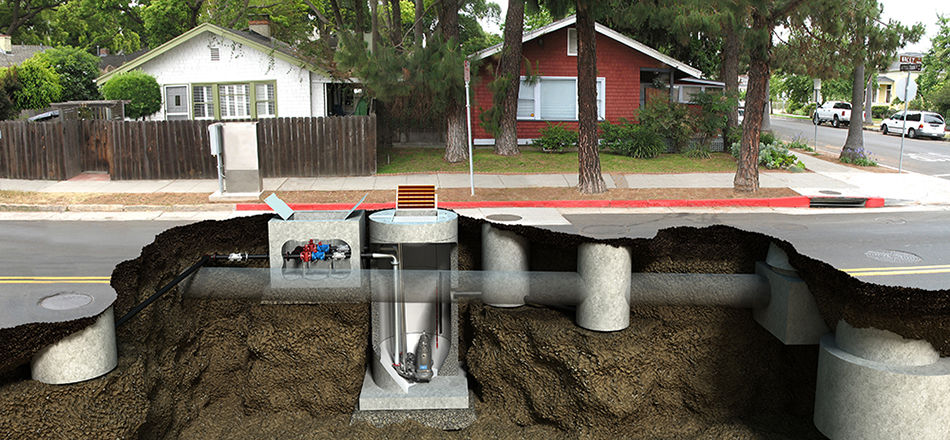
Image credit: romtecutilities.com
Planning infrastructure improvements is critical for municipal officials, developers, and operators of facilities.
The equipment that fails isn’t the sole issue
A wastewater lift station retrofit should begin with an assessment of the complete system, not simply the pump experiencing problems. Engineers must examine the wetwell, mechanical equipment and electrical components. They should also consider discharge piping as well as the current needs for pumping.
The condition of the wet well is crucial. If the wet well’s structure is intact, you may be able to replace it with a new equipment while keeping its existing structure. This may reduce the need for construction when compared to building a completely new station. However, retaining existing infrastructure only makes sense as long as it is able to support the proposed improvements.
Is the service area changing?
A former wastewater plant could be supplying additional houses, industrial buildings, or commercial buildings.
These changes may affect the flow rate and operating needs. For lift stations to be successfully rehabilitated, it is not enough to return to original specifications. Engineers must evaluate the current and expected flows, the total dynamic head of the equipment as well as operational reliability and the capacity.
The solution is not always to get a larger pump. New equipment has to be compatible with the existing piping system and wet wells, electrical supply, controls and so on. If one component is upgraded, this can lead to problems with the other components.
Priorities for stormwater retrofits are different
Retrofitting a station to pump stormwater has additional concerns, since the runoff patterns are affected by rainfall as well as nearby development. The flow pattern of stations that serve a detention area may differ from one that gets water directly from the storm drain. Any changes to drainage infrastructures like new pavement or expanded parking lots, can affect the timing and amount of water that can be capable of reaching the station.
Before recommending a new stormwater facility, engineers must look over the drainage areas as well as the expected peak flows, available storage capacity as well as discharge conditions and the pump’s performance.
These results can be used to determine whether the modernization of equipment is sufficient or whether the station requires more substantial reconstruction.
Design the Construction Before Interrupting Service
What the station’s capabilities will be in the event of rehabilitation is a concern that is frequently left unanswered. Wastewater systems generally cannot be disconnected without the need for continued flow management.
Based on the available space and project needs Construction may require temporary bypass pumping, or even installing replacement infrastructure alongside the operating station.
The system may be needed in the event of an unexpected downpour. An engineering plan that is complete should contain the sequencing of installation, temporary operation as well as equipment integration and commissioning and not just replacing components.
Enhance the finished System Simpler to Use
Romtec Utilities offers site-specific engineering solutions and equipment for wastewater and stormwater pumps.
The retrofit process will determine which electrical, structural mechanical and communications components will be preserved and which ones need replacement. The company also offers initial designs and budgetary estimates to help project owners assess their options.
After installation, the tests of startup, commissioning and operator training is essential to make sure that the upgraded station is performing in accordance with its specifications. A successful rehabilitation project should offer operators with a simple maintenance system.
Upgrade Your System and Not Just its Age
A pump station that is older might not require to be completely replaced. Even if the electrical and mechanical equipment is old-fashioned certain structures could remain useful for a long time. It is important to know what is safe and effectively preserved while ensuring the station will meet present and future needs.
Owners are able to make better investment choices by reviewing the operating conditions as well as structural integrity and hydraulic requirements together.
The goal in upgrading an older station is not to make it functional again. It’s about ensuring that the new system is ready for the task ahead.