
The wall blocks for retaining have evolved from their original utilitarian purpose to become the organizers of the outdoor canvas. Seamlessly merging functionality and aesthetics These versatile components are now essential components in modern landscaping design. This article examines the many benefits of retaining walls, and explains how they can transform outdoor environments.
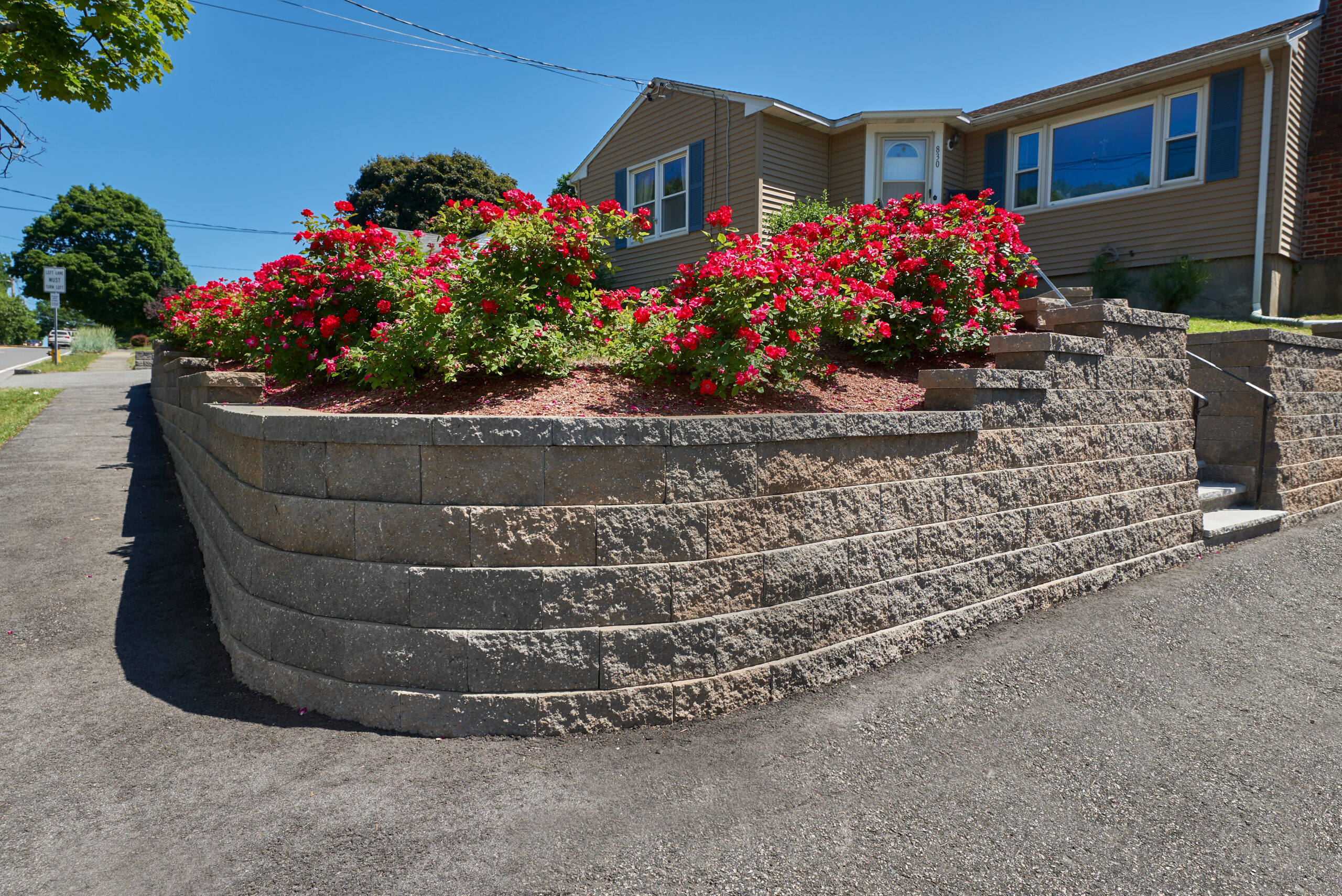
The retaining wall block is a radical departure from traditional elements of hardscape. It is available in a range of sizes, colors, and shapes. This allows property owners to express their own unique aesthetic ideas. These blocks are available in a variety of materials, including the natural beauty of stone and the robust embrace concrete. Landscape architects and designers can find these blocks a powerful tool to sculpt cohesive and captivating outdoor spaces that reflect each individuality of the landscape.
Beneath the Surface Allure: Guardians of Stability
Beyond their visual allure, retaining wall blocks unfold a plethora of functional benefits. They are steadfast guardians against soil erosion, they perform the function of custodians safeguarding the integrity of natural landscapes and shielding spaces from water erosion runoff. These blocks provide the stability needed on slopes or uneven terrains. They can turn irregular landscapes into level, serene spaces for outdoor living or a beautiful gardens.
Blocks for walls that are retaining are a smart and economical option for homeowners looking to improve their landscaping. The simple installation process and low maintenance requirements make them a cost-effective solution. They’re not just visually attractive, but they also offer solid and durable wall for retaining without sacrificing aesthetics.
Versatile Sculptors: Defining Outdoor Living Areas
Retaining walls blocks are no longer only functional blocks for walls. They’ve evolved into sculptures which define the outdoor spaces. Homeowners can design zones for various activities such as outdoor dining, lounging or gardening by strategically integrating retaining wall blocks. Beyond their practical demarcation they also serve as a versatile design element, creating privacy barriers or highlighting particular landscape features such as sculpture gardens or water features.
They are stacked efficiently and can support up to three courses of height. They can support three courses before needing geogrid reinforcement to strengthen the soil beneath them. To increase stability and durability, as walls get taller and larger, they require more complex configurations. Perfectly designed to allow seamless interlocking the blocks create solid foundations to landscaping plans. The use of geogrid reinforcements will ensure durability and a long-lasting structure by strengthening the retaining walls against the strains created by the soil.
Selecting the Right Block for the Right Ambiance
When selecting retaining wall blocks it is important to think about the size, shape and shade of each one relative to your outdoor environment. Practical aspects, like height and capacity for soil retention, guide the choice of the retaining wall blocks. This careful selection will not just structural integrity but also aesthetic harmony making the design more appealing.
Conclusion: A Symphony of Resilience
In conclusion, retaining wall blocks are transformative components that aid in sustainable and durable landscape practices. With their infinite design possibilities as well as their ability to support and stabilize as well as the ability to create living areas, these subtle blocks are silent spies in redefining outdoor spaces and weaving a story of peace and timelessness across the landscape. From minimalistic elegance to functional fortitude, retaining wall blocks are the artisans that create the outdoors’ symphony.