
Bottom-up processing is a process of information processing that starts with the smallest of details and then builds up to more complicated concepts. This differs from top-down processing, where you form an overall impression and looking for evidence that supports this idea. For example, someone who is visualizing the city’s streets may initially create an impression of the street is bustling noisy, chaotic, and loud. To confirm this impression one could seek out signs like people moving through crowds or traffic noise from cars nearby.
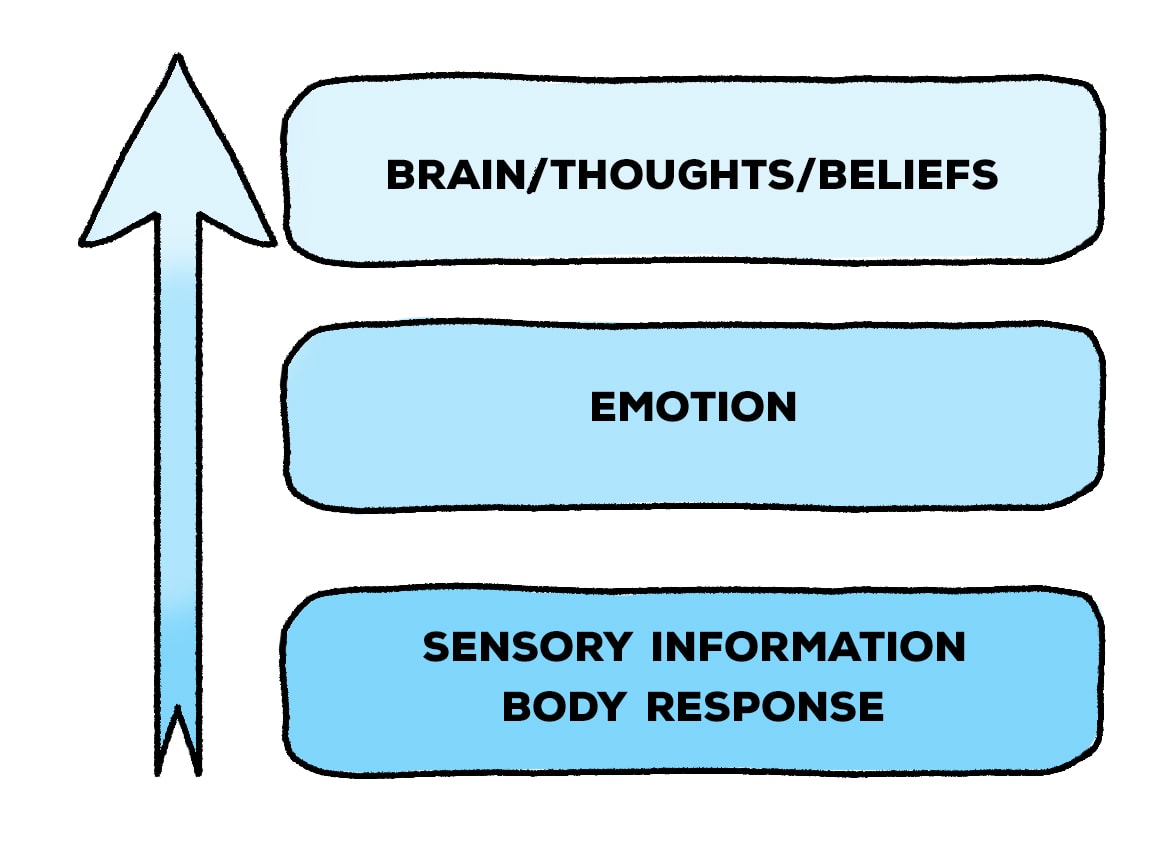
Bottom-up processing tends to be more data-driven, analytical and has been extensively studied regarding cognitive processes such as perception and memory. It can also be used in many other areas of our lives such as creative endeavors and decisions, such as art and design. Bottom-up processing, if used wisely and effectively can aid in solving problems and give a better understanding of complex situations. Bottom-up processing despite having been criticized in academic circles, is extremely useful in understanding the world around us , as well as our inner workings.
The intricate brain lies the brain’s heart. It is the source of our thoughts and actions, as well as our decisions. This complicated organ is a key component in our brain’s intelligence, memory mood, and behavior. Bottom-up processing is one the primary factors that impact brain function. Bottom-up processing is the way information is processed starting at the nerve cell at the level of individual nerve cells and then moving upwards through interconnected neural pathways. This eventually impacts higher cognitive functions, such as attention and perception. This process has been demonstrated to affect memory in significant ways and learning. However, it could also prove beneficial in the treatment of illnesses like schizophrenia and Alzheimer’s. Understanding the mechanisms behind the top-down processing of brain function may help us unlock some of the mysteries that lie beneath brain functioning. This could open the door to innovative new techniques in neuroscience, healthcare, and other areas.
Bottom-up processing refers how our brain process information. Instead of top-down processing which is more concerned with incorporating expectations and prior knowledge into the process of learning. Bottom-up processing is based on raw and new data. Bottom-up processing is an excellent way to master learners of all levels by focusing on the specific aspects of learning. This includes vocabulary and basic sounds and concepts, in addition to more advanced concepts and concepts.
Bottom-up processing offers one advantage is that it lets us look at each piece of information in its entirety as it comes in, and also allows us to take a step back. This allows us to stay interested in the material we’re studying as well as re-igniting our desire to acquire new knowledge or improve existing ones or even identify errors or areas to improve. Furthermore, by highlighting the ways in which different components of information are connected by logical chains or networks It helps us see how different parts fit together in order to improve our understanding on the deeper level. Bottom-up processing can help us develop as better learners and efficient communicators through bottom up processing.
For more information, click Practicalpie